The graphics card landscape is constantly evolving, and Intel's Arc series has carved out a compelling space in the mid-range segment. At the heart of this push is the B580 GPU, a chip designed to deliver robust performance for modern gaming and creative workloads. With multiple board partners offering their unique takes, the B580 ecosystem provides a variety of options for PC builders. This guide will delve into the key features of the B580 architecture, review popular models, and explore how it stacks up against the competition.
Understanding the Intel Arc B580 Architecture
The B580 is built on Intel's Xe-HPG microarchitecture, featuring dedicated hardware for ray tracing and AI-powered XeSS upscaling. A standout feature across most B580 cards is the generous allocation of 12GB GDDR6 VRAM on a 192-bit bus. This memory configuration is a significant advantage for high-resolution gaming and content creation, allowing for detailed textures and complex scenes without bottlenecking. Modern titles at 1440p gaming and even 4K gaming settings benefit greatly from this VRAM headroom, making the B580 a future-proof choice in its price bracket.
Top B580 Graphics Card Models Reviewed
Several manufacturers have released their versions of the B580, each with distinct cooling and design philosophies.
ASRock's Challenger and Steel Legend
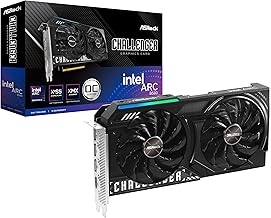
The ASRock Intel Arc B580 Challenger 12GB OC is a solid entry-point model. It features a dual fan cooling solution with a 0dB Silent operation mode, where the fans stop entirely under low loads. With a 2740 MHz GPU clock and a metal backplate, it offers reliable performance for its class. For users seeking enhanced cooling, the ASRock Intel Arc B580 Steel Legend 12GB OC steps up with a triple fan cooling array and a higher 2800 MHz clock speed. The ASRock Steel Legend series is also known for its Polychrome SYNC RGB lighting, appealing to builders focused on aesthetics.
Sparkle's Titan OC and Alternatives
Sparkle brings its innovative cooling tech to the table with the Sparkle Intel Arc B580 Titan OC. Its Torn Cooling 2.0 system utilizes an axial fan design and a substantial heatsink to manage thermals effectively. The card also features a breathing light and a sturdy metal backplate. For those considering a step down, Sparkle's B570 Guardian OC with 10GB GDDR6 presents a viable budget graphics card alternative, as discussed in this detailed review.
Other Notable B580 Options
The WEELIAO GUNNIR Intel Arc B580 Index is another dual fan GPU offering a balance of performance and value. It supports the latest DisplayPort 2.1 and HDMI 2.1a standards, ensuring compatibility with high-refresh-rate monitors and next-gen displays.
Performance, Cooling, and Key Considerations
When building a system around a B580 card, effective thermal management is crucial for sustained performance. High-quality thermal interface material can make a difference. Using a premium compound like ARCTIC MX-4 thermal paste during installation or maintenance can improve heat transfer from the GPU die. Furthermore, ensuring good case airflow is essential. A pack of high-performance case fans, such as the DARKROCK 3-Pack 120mm fans, can significantly optimize overall system GPU cooling and lower ambient temperatures inside the chassis, which is a topic covered in our B580 cooling guide.
B580 vs. The Competition: B570 and AMD
Potential buyers often compare the B580 to its sibling, the B570. The primary difference lies in the VRAM and core configuration. The ASRock Intel Arc B570 Challenger 10GB OC offers excellent value for 1440p gaming but with slightly less memory bandwidth. For a deeper comparison, check out this B570 Challenger review. On the AMD side, the ASUS Dual Radeon RX 7600 EVO OC Edition is a direct competitor. It features 8GB GDDR6 and Axial-tech fans, but the B580's 12GB VRAM gives it a clear edge in memory-intensive scenarios. Another interesting Intel alternative is the Sparkle Intel Arc A580 ORC OC, which serves as a more affordable 8GB option.
Final Verdict: Is the B580 Right for You?
The Intel Arc B580 represents a strong contender in the mid-range GPU market. Its combination of modern features like DisplayPort 2.1, substantial 12GB GDDR6 memory, and support for XeSS makes it a versatile card for gamers and creators alike. Whether you choose the value-oriented ASRock Challenger, the cool-running Sparkle Titan, or the feature-rich Steel Legend, you're investing in a capable gaming graphics card. For a comprehensive overview of all things B580, from features to applications, be sure to read our complete B580 guide. Ultimately, if your goal is smooth high-resolution gameplay without breaking the bank, the B580 series deserves serious consideration for your next DIY PC building project.